Associate Degree in Funeral Service and Mortuary Science
This two-year Associate Degree in Funeral Service and Mortuary Science teaches the skills needed for funeral directing and mortuary work, preparing students for roles in funeral homes and related services.
About
This Associate Degree in Funeral Service and Mortuary Science is a two-year program in the United States designed for students interested in careers related to funeral services and mortuary science. It is aimed at those who want to work in funeral homes, crematories, or cemeteries, helping families during difficult times. The diploma provides foundational knowledge and practical skills to become a funeral director, embalmer, or mortuary technician. It combines science, business, and counseling aspects, making it suitable for students who want a specialized career in this field.
- The program lasts two years and leads to an associate degree recognized in the US.
- It is intended for students who have completed high school or equivalent education.
- The diploma prepares students for roles such as funeral director and mortuary technician.
- Students learn how to manage funeral arrangements and understand the science of embalming and body preparation.
- The program also covers legal and ethical issues related to funeral services.
What you study
The curriculum covers a mix of scientific, technical, and business subjects over two years, with increasing practical work. Students study anatomy, embalming techniques, restorative art, and mortuary chemistry, which are essential for preparing and preserving bodies. Courses also include funeral service management, grief counseling, and legal regulations governing funerals.
- First-year courses focus on basic sciences like anatomy and introduction to funeral service practices.
- Second-year studies emphasize embalming and restorative art, with hands-on lab work.
- Students learn about funeral home management including business and communication skills.
- Practical training is a significant part, with laboratory embalming and mock funeral arrangements.
- Some programs include internships or externships in real funeral homes to gain experience.
How to get in
Admission to this associate degree usually requires a high school diploma or equivalent in the US. Candidates must apply directly to community colleges or specialized mortuary science schools offering the program. Some schools may require an entrance exam or interview to assess motivation and suitability.
- Applicants need a high school diploma or GED certificate.
- Application involves submitting transcripts and sometimes letters of recommendation.
- Some programs require a background check due to the sensitive nature of the work.
- Strong interest in science and helping people is expected from candidates.
- Good communication skills and emotional maturity are important for success in this field.
Day to day
The academic year combines classroom lessons, laboratory practice, and field experiences. Students typically attend lectures and labs several days a week, learning embalming techniques and funeral service procedures. Practical work is essential, with time spent in mortuary labs practicing body preparation and restoration. Many programs include internships or externships where students assist in actual funeral homes.
- The schedule involves theoretical classes and hands-on labs throughout the year.
- Students participate in mock funerals to practice organizing ceremonies.
- Internships provide real-world exposure to funeral home operations.
- The workload includes studying legal and ethical topics related to funerals.
- Students develop skills in grief counseling through role-playing and case studies.
Careers this degree leads to
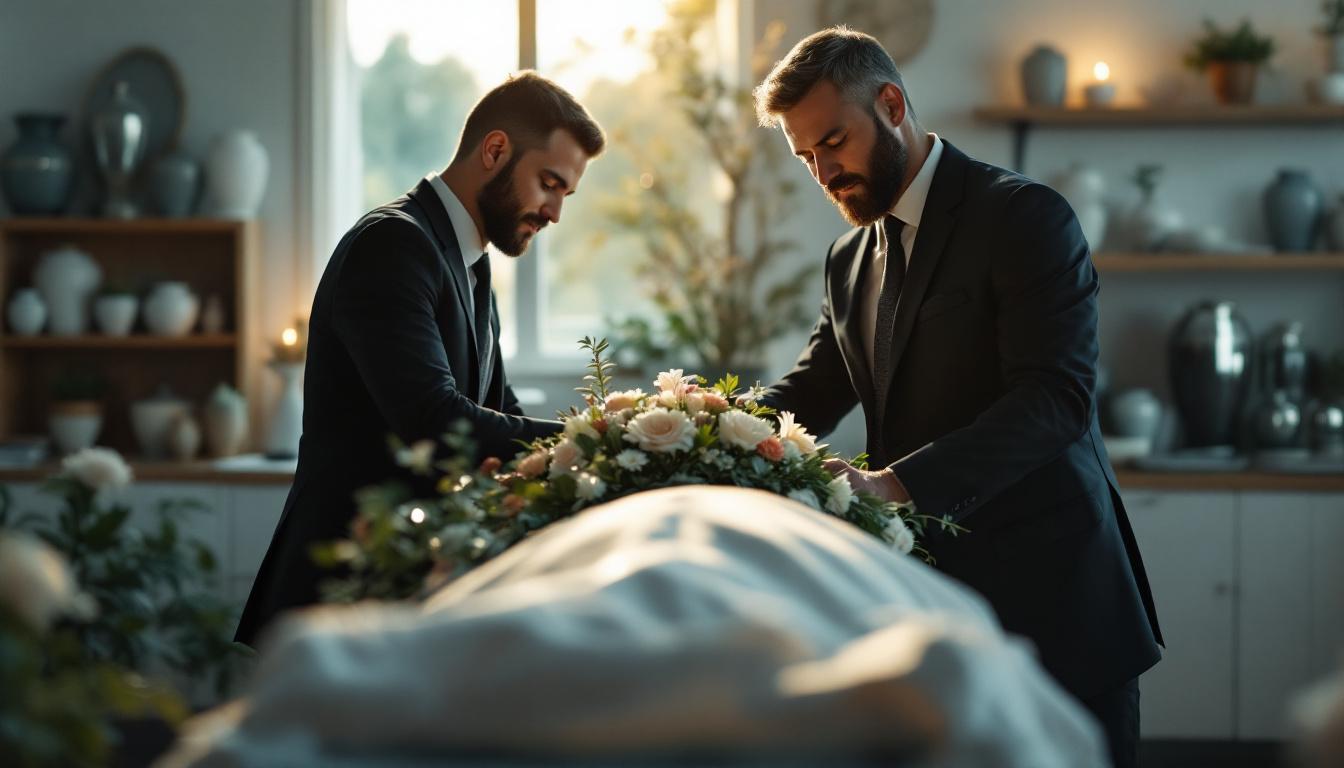
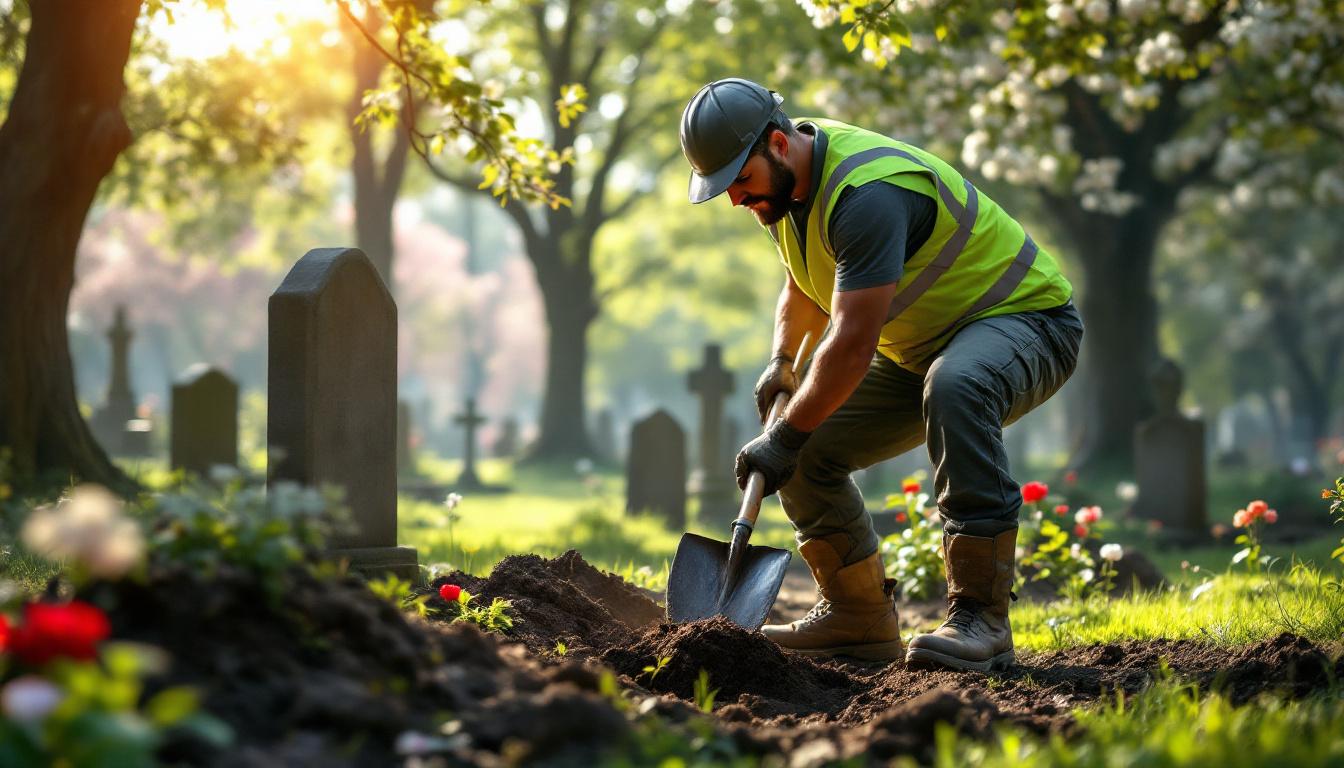
Graduates can work in funeral homes, crematories, cemeteries, or related services. Common jobs include funeral director, embalmer, mortuary technician, or funeral service assistant. The funeral industry often recruits trained professionals to manage funeral arrangements, prepare bodies, and support grieving families. Employment opportunities exist in private funeral homes and public institutions.
- Graduates often become funeral directors responsible for planning and conducting funerals.
- Embalmers prepare and preserve bodies for viewing and burial.
- Mortuary technicians assist with body preparation and administrative tasks.
- The sector includes funeral homes, crematories, and cemetery services.
- Job prospects depend on local demand and licensing requirements.




Continuing your studies
After this associate degree, students may continue studies to become licensed funeral directors or embalmers by pursuing bachelor's degrees or specialized certifications. Some choose to advance in mortuary science or related health fields. Others might explore careers in counseling or business management related to funeral services.
- Possible further studies include a bachelor's degree in mortuary science or funeral service administration.
- Students can pursue licensing exams required to practice as funeral directors or embalmers.
- Other options include degrees in counseling or business management.
- Some may choose to specialize in restorative art or grief therapy.
Where to study this degree (81)






Liste des 81 établissements
- Bishop State Community CollegeMobile
- Brightpoint Community CollegeChester
- Commonwealth Institute of Funeral ServiceHouston
- Dallas Institute of Funeral ServiceDallas
- American Academy McAllister Institute of Funeral ServiceNew York
- Worsham College of Mortuary ScienceWheeling
- Jefferson State Community CollegeBirmingham
- Piedmont Technical CollegeGreenwood
- Mid-America College of Funeral ServiceJeffersonville
- Pittsburgh Institute of Mortuary Science IncPittsburgh
- Fayetteville Technical Community CollegeFayetteville
- Cincinnati College of Mortuary ScienceCincinnati
- John A Gupton CollegeNashville
- Gupton Jones College of Funeral ServiceDecatur
- Northeast Texas Community CollegeMount Pleasant
- Des Moines Area Community CollegeAnkeny
- Arapahoe Community CollegeLittleton
- Ogeechee Technical CollegeStatesboro
- NUC UniversityBayamon
- Miami Dade CollegeMiami
- University of Minnesota-Twin CitiesMinneapolis
- San Antonio CollegeSan Antonio
- Nassau Community CollegeGarden City
- American River CollegeSacramento
- Cypress CollegeCypress
- University of Arkansas Community College at HopeHope
- St. Petersburg CollegeSt. Petersburg
- Antilles School of Technical CareersSan Juan
- Kansas City Kansas Community CollegeKansas City
- Milwaukee Area Technical CollegeMilwaukee
- Delgado Community CollegeNew Orleans
- Salt Lake Community CollegeSalt Lake City
- Goodwin CollegeEast Hartford
- Chandler–Gilbert Community CollegeChandler
- Community College of Baltimore CountyBaltimore
- University of Central OklahomaEdmond
- Southern Illinois University CarbondaleCarbondale
- Wayne State UniversityDetroit
- Lake Washington Institute of TechnologyKirkland
- Tidewater Community CollegeNorfolk
- Mercer County Community CollegeWest Windsor
- FINE Mortuary CollegeNorwood
- Ivy Tech Community CollegeIndianapolis
- Mt. Hood Community CollegeGresham
- Vincennes UniversityVincennes
- East Mississippi Community CollegeScooba
- Malcolm X CollegeChicago
- Northampton Community CollegeBethlehem
- SUNY CantonCanton
- Florida State College at JacksonvilleJacksonville
- Terra State Community CollegeFremont
- Eastwick College-HackensackHackensack
- Arkansas State University Mountain HomeMountain Home
- Cape Cod Community CollegeWest Barnstable
- Saint Louis Community CollegeBridgeton
- Northwest Mississippi Community CollegeSenatobia
- Point Park UniversityPittsburgh
- Hudson Valley Community CollegeTroy
- Amarillo CollegeAmarillo
- Carl Sandburg CollegeGalesburg
- University of the District of ColumbiaWashington
- North Central State CollegeMansfield
- Southwest Tennessee Community CollegeMemphis
- Wayne County Community College DistrictDetroit
- Liceo de Arte-Dise-O y ComercioCaguas
- Luzerne County Community CollegeNanticoke
- Community College of VermontMontpelier
- Gannon UniversityErie
- Mesa Community CollegeMesa
- North Shore Community CollegeDanvers
- Columbus Technical CollegeColumbus
- Northwest State Community CollegeArchbold
- LaGuardia Community CollegeLong Island City
- Chippewa Valley Technical CollegeEau Claire
- Holmes Community CollegeGoodman
- Barton County Community CollegeGreat Bend
- Gateway Technical CollegeKenosha
- University of Rio Grande and Rio Grande Community CollegeRio Grande
- Gogebic Community CollegeIronwood
- Blue Ridge Community CollegeWeyers Cave
- Northeast Community CollegeNorfolk
Frequently asked questions
What prior education is needed to enroll?
You need a high school diploma or equivalent to apply. Some schools may have additional requirements like entrance exams or interviews.
Is this degree enough to work as a funeral director?
The degree provides essential knowledge, but you usually need to pass licensing exams and meet state requirements to work officially as a funeral director.
Are there practical training opportunities included?
Yes, the program includes laboratory work and often internships in funeral homes to gain hands-on experience.
What kind of skills will I learn besides science?
You will develop skills in communication, grief counseling, business management, and legal aspects of funeral services.
Can I continue studies after this associate degree?
Yes, many students pursue bachelor's degrees or specialized certifications to advance their careers or meet licensing requirements.
Is this field emotionally demanding?
Yes, working with grieving families requires emotional maturity and strong interpersonal skills.
Are there job opportunities across the US?
Job availability varies by region, but trained professionals are generally needed in funeral homes, crematories, and cemeteries nationwide.
Is alternance or work-study common in this program?
Alternance is generally not available, but internships or externships are common to provide practical experience.
