Associate Degree in Food Science and Technology
This 2-year associate degree teaches food science and technology fundamentals, preparing students for technical roles in food production and quality control in the US.
About
The Associate Degree in Food Science and Technology is a short-cycle higher education diploma in the United States, typically completed in two years. It is designed for students interested in understanding the science behind food production, safety, and technology. This diploma is suitable for those who want to enter the food industry quickly with practical skills and scientific knowledge. Graduates can work in various roles related to food processing, quality assurance, and product development. The program balances scientific theory with applied technology, making it accessible to students who have completed high school and want a focused education without pursuing a full bachelor's degree.
- The diploma covers core concepts in food chemistry and microbiology relevant to food safety.
- It prepares students for technical roles in food manufacturing and quality control.
- The program suits students aiming for a quick entry into the food industry with practical knowledge.
- Graduates can work in laboratories, production facilities, or regulatory bodies.
- The diploma is recognized within the US education system as a short-cycle degree at EQF level 5.
What you study
The program is structured over two years, combining theoretical courses with practical activities to build a solid foundation in food science and technology. In the first year, students study basic sciences such as chemistry, biology, and introductory food technology. They also learn about food safety principles and hygiene standards. The second year focuses more on applied topics like food processing techniques, quality assurance methods, and regulatory compliance. Practical labs and workshops are integral to the curriculum, allowing students to apply scientific concepts in real-world scenarios. The program often includes projects where students analyze food products or develop small-scale production processes. This hands-on approach helps students understand the challenges and requirements of the food industry. Some institutions may offer opportunities for internships or cooperative education to gain workplace experience during the program.
- First-year courses include basic chemistry, microbiology, and food safety.
- Second-year focuses on food processing, quality control, and regulations.
- Laboratory work and practical sessions are frequent to reinforce theory.
- Students complete projects related to product analysis or process improvement.
- Some programs incorporate internships or cooperative education experiences.
How to get in
Admission to the Associate Degree in Food Science and Technology in the US usually requires a high school diploma or equivalent. Prospective students apply directly to community colleges or technical institutes offering the program. The application process often involves submitting transcripts and sometimes standardized test scores, depending on the institution. There is generally no strict selection, making the program accessible to a wide range of students interested in food science. Candidates with a strong interest in science and practical work tend to succeed. Some schools may offer placement tests to assess readiness in math and science. This degree is suitable for students who want a practical, career-oriented education without the longer commitment of a bachelor's degree.
- Requires a high school diploma or equivalent for admission.
- Applications are made to community colleges or technical schools.
- Admission is generally non-selective or moderately selective.
- Some institutions may require placement tests in science or math.
- Ideal for students interested in applied sciences and technical skills.
Day to day
A typical academic year in this associate degree involves a mix of lectures, laboratory sessions, and project work. Students attend classes several times a week, balancing theory with hands-on practice. Laboratories are essential for learning food analysis techniques and quality testing. Many programs encourage or require internships during summer or part-time to gain real-world experience in food companies or research labs. Students may work on group projects simulating food production challenges or quality assurance processes. The workload is designed to prepare students for technical roles, so practical skills are emphasized. While full alternance (work-study) programs may not be common, some colleges offer cooperative education options allowing students to alternate study periods with work placements.
- Students attend lectures and labs regularly throughout the year.
- Hands-on practical sessions focus on food testing and processing.
- Many students complete internships to gain industry experience.
- Group projects simulate real food industry challenges.
- Some schools offer cooperative education combining study and work.
Careers this degree leads to
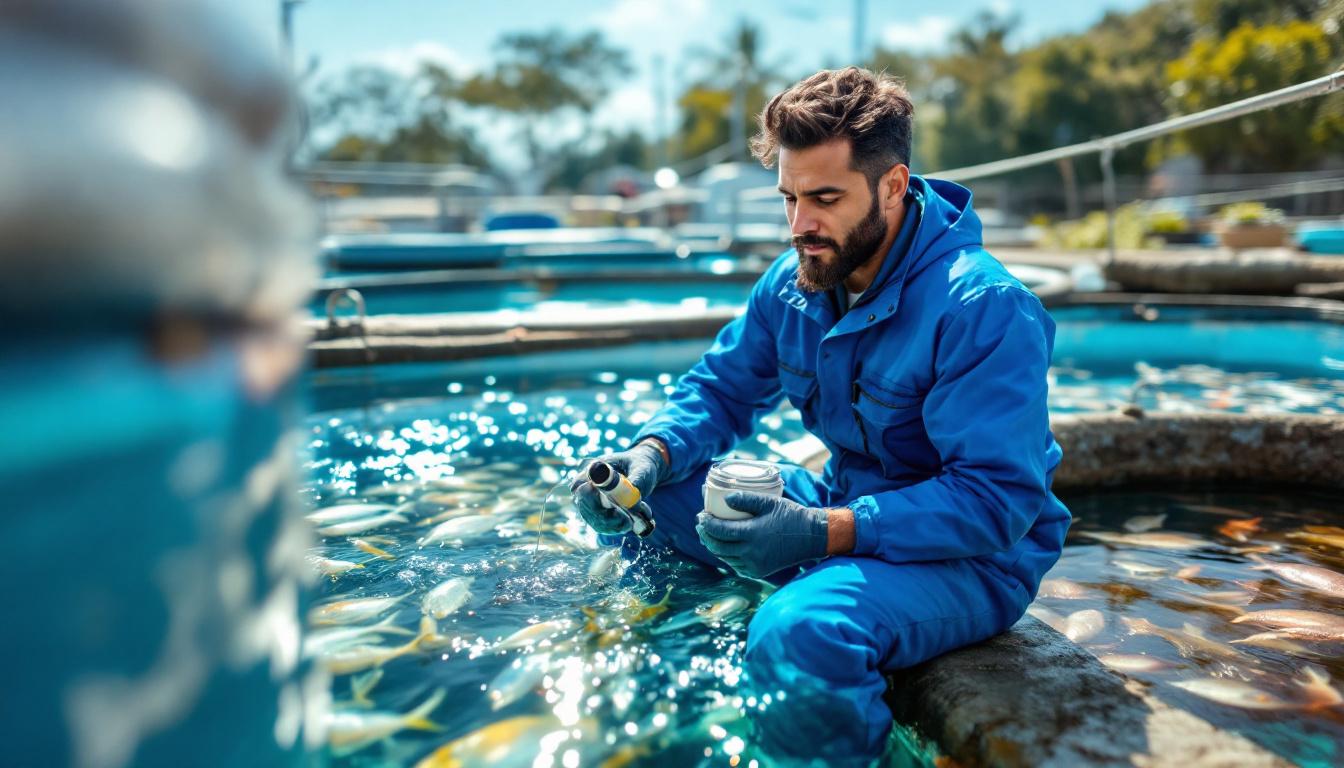
Graduates with this associate degree can find employment in various sectors of the food industry. Common roles include food quality technician, production assistant, laboratory analyst, and food safety inspector. Employers range from food manufacturing companies to regulatory agencies and research laboratories. The food industry in the US is diverse, offering opportunities in processing plants, packaging, and product development. The job market generally favors candidates with practical skills and knowledge of food safety standards. While some positions may require further education, many technical roles are accessible with this diploma. The pace of employment after graduation is often steady, especially in regions with active food production sectors.
- Graduates can work as food quality technicians or laboratory assistants.
- Employment is available in food manufacturing and processing plants.
- Some find roles in regulatory agencies overseeing food safety.
- The diploma supports entry into product development and quality control jobs.
- The food industry offers steady job opportunities for skilled technicians.




Continuing your studies
After completing the Associate Degree in Food Science and Technology, students can choose to continue their studies to deepen their expertise or broaden their career options. Many pursue a bachelor's degree in food science, nutrition, or related fields at universities. This progression allows access to more advanced roles in research, management, or product innovation. Some may also consider specialized certifications in food safety or quality management. The credits earned during the associate degree often transfer to four-year programs, facilitating a smooth transition. Alternatively, graduates may explore related fields such as biotechnology or agricultural sciences depending on their interests.
- Students can continue with a bachelor's degree in food science or nutrition.
- Credits from the associate degree often transfer to four-year programs.
- Specialized certifications in food safety or quality are options.
- Some may explore related fields like biotechnology or agriculture.
Where to study this degree (167)







Liste des 167 établissements
- Brigham Young University - IdahoRexburg
- South CollegeKnoxville
- Southern Oregon UniversityAshland
- University of MaineOrono
- Harrisburg Area Community CollegeHarrisburg
- North Dakota State UniversityFargo
- Virginia TechBlacksburg
- California State University, FresnoFresno
- California Polytechnic State UniversitySan Luis Obispo
- University of California-DavisDavis
- University of Illinois Urbana-ChampaignUrbana
- University of KentuckyLexington
- Clemson UniversityClemson
- Michigan State UniversityEast Lansing
- Mississippi State UniversityStarkville
- Kansas State UniversityManhattan
- Cornell UniversityIthaca
- University of Nebraska–LincolnLincoln
- Yavapai CollegePrescott
- Purdue University West LafayetteWest Lafayette
- University of Maryland-College ParkCollege Park
- Pennsylvania State University-Main CampusUniversity Park
- California State Polytechnic UniversityPomona
- Oregon State UniversityCorvallis
- Rutgers University-New BrunswickNew Brunswick
- University of GeorgiaAthens
- Washington State UniversityPullman
- Brigham Young UniversityProvo
- Sacred Heart UniversityFairfield
- Illinois Institute of TechnologyChicago
- Saint Louis UniversitySt Louis
- University of FloridaGainesville
- Colorado State University-Fort CollinsFort Collins
- Iowa State UniversityAmes
- University of Wisconsin–MadisonMadison
- North Carolina State UniversityRaleigh
- Walla Walla Community CollegeWalla Walla
- Santa Rosa Junior CollegeSanta Rosa
- University of Minnesota-Twin CitiesMinneapolis
- Ohio State University-Main CampusColumbus
- University of Tennessee at KnoxvilleKnoxville
- University of Massachusetts-AmherstAmherst
- Chattahoochee Technical CollegeMarietta
- Regis UniversityDenver
- Chapman UniversityOrange
- Hartnell CollegeSalinas
- University of DelawareNewark
- Texas Tech UniversityLubbock
- Lake Michigan CollegeBenton Harbor
- University of ArkansasFayetteville
- University of Wisconsin–StoutMenomonie
- Cincinnati State Technical and Community CollegeCincinnati
- University of Wisconsin–River FallsRiver Falls
- Alabama Agricultural and Mechanical UniversityNormal
- Middle Tennessee State UniversityMurfreesboro
- Florida Agricultural and Mechanical UniversityTallahassee
- University of Missouri-ColumbiaColumbia
- Bay Path UniversityLongmeadow
- California State University Los AngelesLos Angeles
- Saint Joseph's UniversityPhiladelphia
- Louisiana State University and Agricultural & Mechanical CollegeBaton Rouge
- Dakota County Technical CollegeRosemount
- Grayson CollegeDenison
- Johnson & Wales University-CharlotteCharlotte
- Delaware Valley CollegeDoylestown
- Pennsylvania State University-World CampusUniversity Park
- Oklahoma State University-Main CampusStillwater
- South Dakota State UniversityBrookings
- Surry Community CollegeDobson
- Kalamazoo Valley Community CollegeKalamazoo
- Chemeketa Community CollegeSalem
- Southwest Wisconsin Technical CollegeFennimore
- Pennsylvania College of TechnologyWilliamsport
- Finger Lakes Community CollegeCanandaigua
- Napa Valley CollegeNapa
- Linfield CollegeMcMinnville
- Auburn UniversityAuburn
- University of Maryland Eastern ShorePrincess Anne
- Cowley Community CollegeArkansas City
- University of Puerto Rico-MayaguezMayaguez
- Texas A & M University-College StationCollege Station
- Minnesota State University, MankatoMankato
- College of Southern IdahoTwin Falls
- Utah State UniversityLogan
- New Mexico State UniversityLas Cruces
- University of IdahoMoscow
- Blackhawk Technical CollegeJanesville
- Western Kentucky UniversityBowling Green
- Allan Hancock CollegeSanta Maria
- Folsom Lake CollegeFolsom
- Laramie County Community CollegeCheyenne
- Lakeland CollegePlymouth
- Appalachian State UniversityBoone
- Arizona Western CollegeYuma
- Bakersfield CollegeBakersfield
- University of Hawaiʻi at MānoaHonolulu
- Hocking CollegeNelsonville
- Colorado Mesa UniversityGrand Junction
- Framingham State UniversityFramingham
- Las Positas CollegeLivermore
- University of Holy CrossNew Orleans
- Southern Illinois University CarbondaleCarbondale
- SUNY Schenectady County Community CollegeSchenectady
- Mount Mary UniversityMilwaukee
- SUNY CobleskillCobleskill
- Western Michigan UniversityKalamazoo
- University of ArizonaTucson
- Yakima Valley Community CollegeYakima
- University of Wisconsin–SuperiorSuperior
- Skagit Valley CollegeMount Vernon
- Palo Alto CollegeSan Antonio
- Drexel UniversityPhiladelphia
- Lourdes UniversitySylvania
- Riverland Community CollegeAustin
- Bard College at Simon's RockGreat Barrington
- Umpqua Community CollegeRoseburg
- College of the CanyonsSanta Clarita
- Kent State University at AshtabulaAshtabula
- Saint Francis UniversityLoretto
- New York UniversityNew York
- Missouri State University–West PlainsWest Plains
- Stetson UniversityDeLand
- Cuesta CollegeSan Luis Obispo
- Normandale Community CollegeBloomington
- College of the SequoiasVisalia
- Sheridan CollegeSheridan
- MiraCosta CollegeOceanside
- Northeast Iowa Community CollegeCalmar
- Mesa Community CollegeMesa
- Rio Salado CollegeTempe
- Oregon State University CascadesBend
- Ohio University LancasterAthens
- Maricopa Community Colleges - Glendale Community CollegeGlendale
- University of Northern ColoradoGreeley
- Universidad Ana G. Mendez-Gurabo CampusGurabo
- University of Puerto Rico-UtuadoUtuado
- Chandler–Gilbert Community CollegeChandler
- Indian Hills Community CollegeOttumwa
- Mt. San Jacinto CollegeSan Jacinto
- Central Lakes College-BrainerdBrainerd
- Niagara County Community CollegeSanborn
- South Mountain Community CollegePhoenix
- Wisconsin Lutheran CollegeMilwaukee
- Paradise Valley Community CollegePhoenix
- Simmons UniversityBoston
- Hampshire CollegeAmherst
- Bucks County Community CollegeNewtown
- Northeast Wisconsin Technical CollegeGreen Bay
- San Diego Mesa CollegeSan Diego
- Kentucky State UniversityFrankfort
- Estrella Mountain Community CollegeAvondale
- North Shore Community CollegeDanvers
- Scottsdale Community CollegeScottsdale
- Northern Arizona UniversityFlagstaff
- Reedley CollegeReedley
- GateWay Community CollegePhoenix
- Linn Benton Community CollegeAlbany
- Wenatchee Valley CollegeWenatchee
- Phoenix CollegePhoenix
- Cuyamaca CollegeEl Cajon
- Eastern Michigan UniversityYpsilanti
- University of Washington-Seattle CampusSeattle
- Central New Mexico Community CollegeAlbuquerque
- SUNY Broome Community CollegeBinghamton
- Flathead Valley Community CollegeKalispell
- College of Western IdahoNampa
- SUNY ErieBuffalo
Frequently asked questions
What is the duration of the Associate Degree in Food Science and Technology?
The program typically lasts two years and is designed as a short-cycle degree in the US education system.
Do I need a high school diploma to apply?
Yes, a high school diploma or equivalent is generally required to be admitted into this associate degree program.
Are there practical components in the program?
Yes, the program includes many laboratory sessions and projects to provide hands-on experience in food analysis and processing.
Can I work while studying this degree?
Some colleges offer cooperative education or internships that allow students to gain work experience during their studies.
What kind of jobs can I get after graduation?
Graduates can work as food quality technicians, laboratory analysts, production assistants, or food safety inspectors in various food industry sectors.
Is it possible to continue studying after this degree?
Yes, many students pursue bachelor's degrees in food science or related fields, often transferring credits from the associate degree.
Is the program selective?
Admission is generally not very selective, making it accessible to students with a high school diploma interested in food science.
Does the program cover food safety regulations?
Yes, students learn about food safety standards and regulatory compliance as part of their coursework.
