Associate Degree in Communications Technologies/Technicians
This two-year Associate Degree in Communications Technologies trains students in technical and practical skills for roles in media, broadcasting, and digital communication fields.
About
The Associate Degree in Communications Technologies is a short-cycle higher education diploma in the United States lasting two years. It is designed for students interested in developing technical skills related to communication tools and media technologies. This diploma prepares graduates for technician-level positions in various communication sectors such as broadcasting, digital media, and telecommunications. It suits young people who want a practical education combining theory and hands-on experience without committing to a longer university degree.
- The program focuses on teaching the fundamentals of communication technologies and their applications.
- It is aimed at students who have completed high school and want to enter the workforce quickly or continue their studies.
- Graduates can work as technicians supporting media production, network operations, or digital communication systems.
- The diploma balances technical knowledge with practical skills to meet industry needs.
- It offers a pathway to both employment and further education in related fields.
What you study
The curriculum covers a variety of subjects related to communications technology, combining theoretical lessons with practical work. Over the two years, students progressively deepen their understanding and skills.
- Courses include audio and video production, networking basics, and digital media tools.
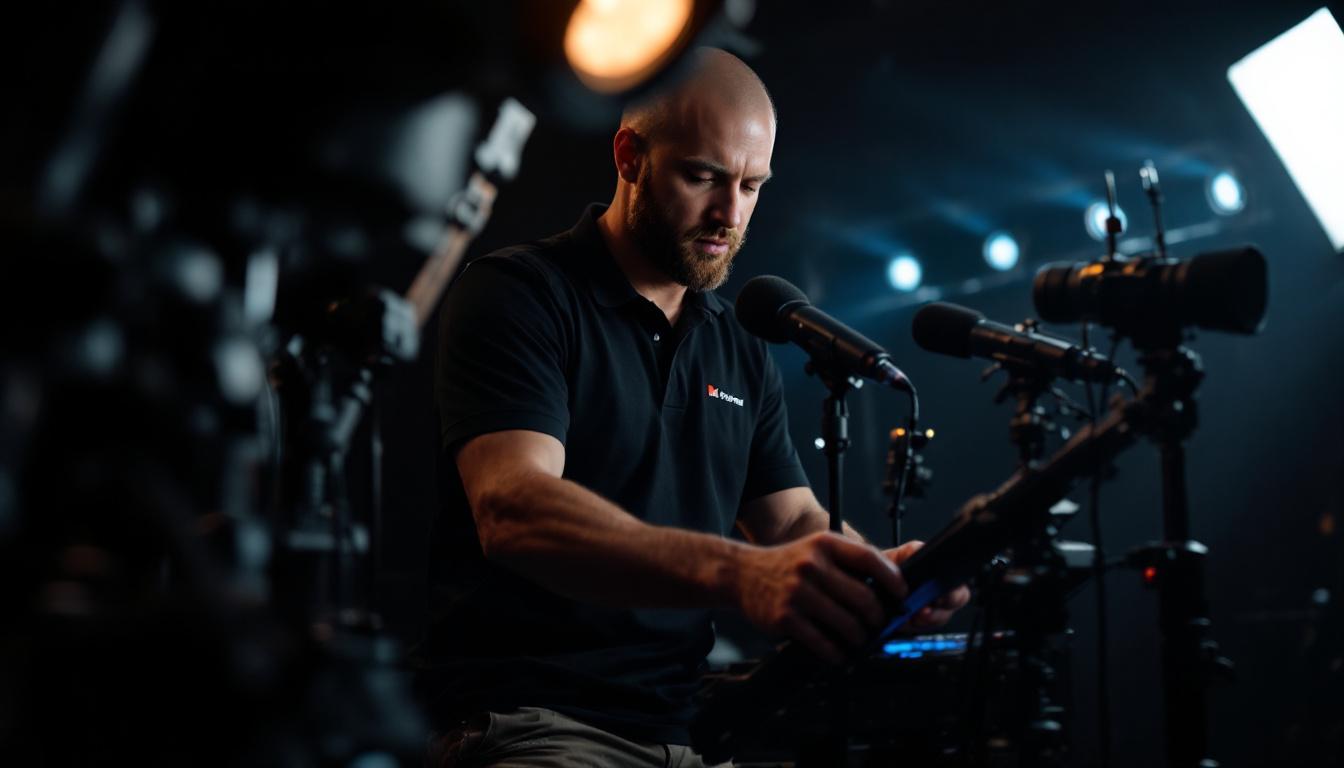
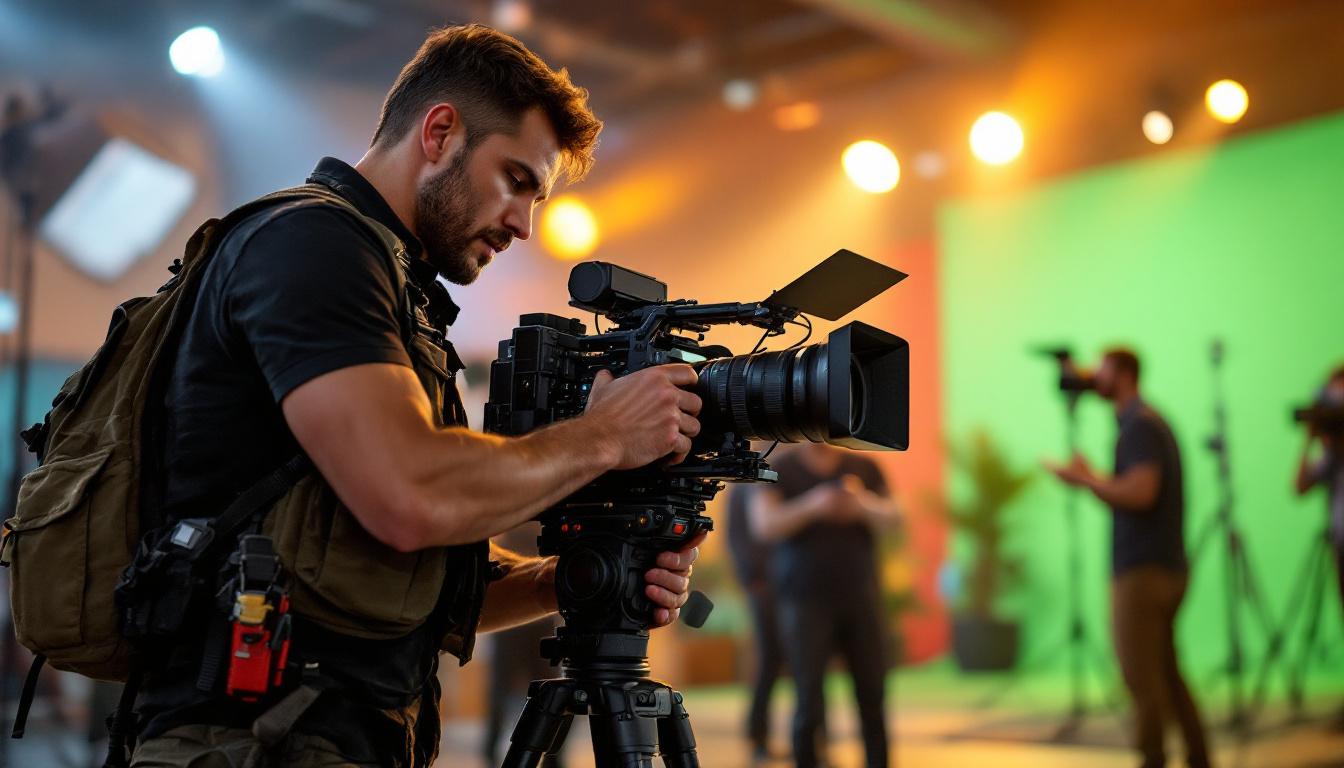
- Students learn about broadcasting equipment and communication systems through hands-on labs and projects.
- The program often integrates software applications used in media editing and transmission.
- Practical workshops and group projects help develop teamwork and problem-solving abilities.
- The second year typically involves more specialized topics and applied learning experiences.
- Some programs include training on signal processing and technical support for communication networks.
How to get in
Admission to this Associate Degree generally requires a high school diploma or equivalent. The process is managed by community colleges or technical schools across the United States.
- Applicants must have completed high school or hold a GED certificate.
- Admission usually involves submitting transcripts and possibly taking placement tests in math and English.
- Some schools may require an interview or a personal statement to assess motivation.
- The program welcomes students interested in technology and communication fields.
- It is accessible to a broad range of profiles, including those seeking practical and career-oriented education.
Day to day
The academic year is structured with regular classes, lab sessions, and project work. Students often engage in practical assignments to apply their knowledge.
- Weekly schedules combine lectures on theory and hands-on workshops with communication equipment.
- Students work on projects such as producing audio or video content to build technical skills.
- Some programs encourage or require internships to gain real-world experience.
- Time management is important as students balance coursework and practical tasks.
- Collaboration with peers is common during group assignments and labs.
Careers this degree leads to
Graduates can find technician roles in various communication sectors. The diploma prepares them for jobs requiring technical expertise in media and digital communication.
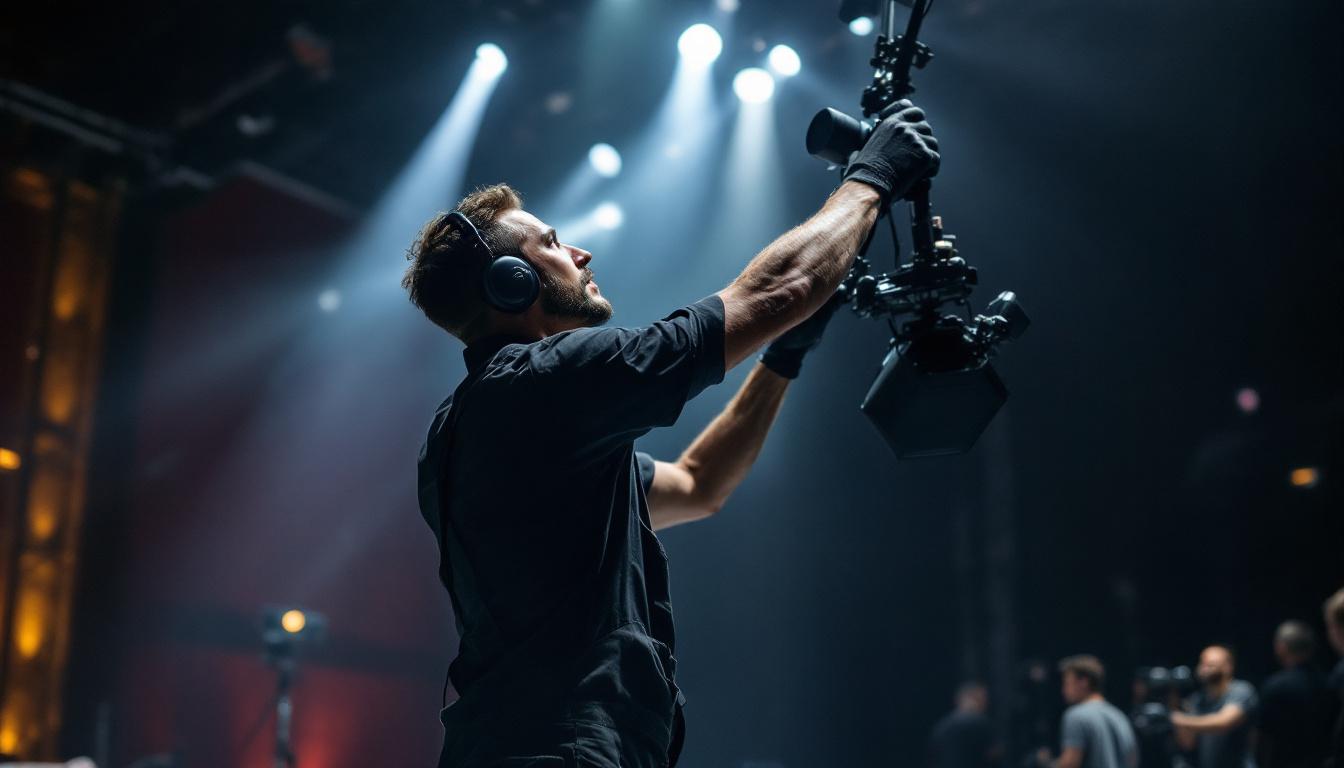
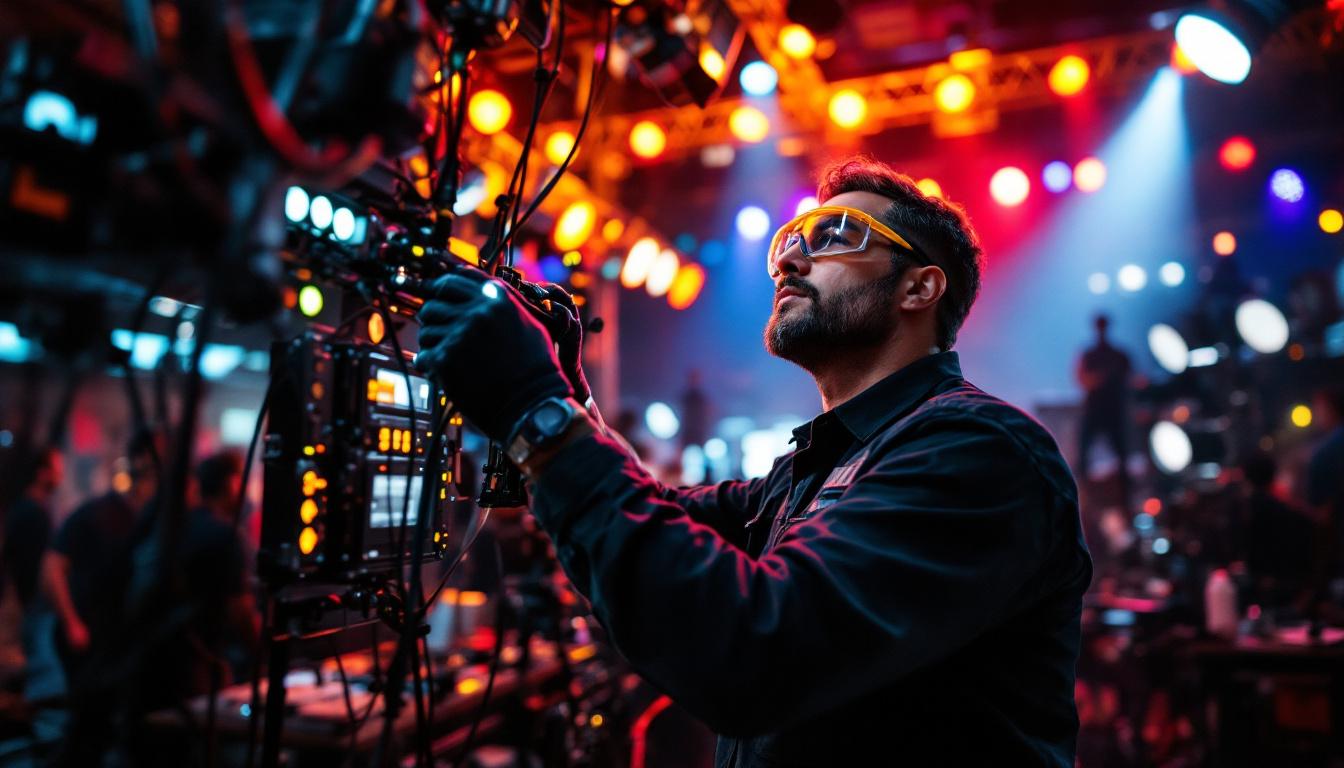
- Possible jobs include broadcast technician, media production assistant, and network support technician.
- Employers range from TV and radio stations to digital media companies and telecommunications providers.
- The demand for skilled technicians in communication technology is steady, with many entry-level opportunities.
- Graduates often start in support roles and can advance with experience.
- The diploma offers practical skills that are valued in fast-changing media environments.


Careers after further study
These careers require a higher level of study than this degree.





Continuing your studies
After earning the Associate Degree, students can continue their studies to deepen their expertise or shift towards related fields.
- Many choose to transfer credits to pursue a bachelor's degree in communications or media technology.
- Other options include specialized diplomas in digital media, broadcasting, or information technology.
- Some graduates may also explore certifications that enhance technical skills.
- The diploma provides a foundation for academic or professional growth depending on individual goals.
Where to study this degree (59)




Liste des 59 établissements
- Dordt UniversitySioux Center
- Northeast Community CollegeNorfolk
- Vermont Technical CollegeRandolph
- Broward CollegeFort Lauderdale
- Full Sail UniversityWinter Park
- Pellissippi State Community CollegeKnoxville
- Florida State College at JacksonvilleJacksonville
- East Stroudsburg UniversityEast Stroudsburg
- Ozarks Technical Community CollegeSpringfield
- Inter American University of Puerto Rico-BayamonBayamon
- Polk State CollegeWinter Haven
- Delaware Technical Community College-TerryDover
- Cochise CollegeSierra Vista
- University of North DakotaGrand Forks
- Eastern Michigan UniversityYpsilanti
- Lee CollegeBaytown
- York College, City University of New YorkJamaica
- Hillsborough Community CollegeTampa
- Seminole State College of FloridaSanford
- Capital Community CollegeHartford
- Pasco–Hernando State CollegeNew Port Richey
- University of Houston - Clear LakeHouston
- Fort Peck Community CollegePoplar
- Gulf Coast State CollegePanama City
- University of Cincinnati-Blue Ash CollegeBlue Ash
- Florida Panhandle Technical CollegeChipley
- Allegany College of MarylandCumberland
- Manatee Technical CollegeBradenton
- St. Petersburg CollegeSt. Petersburg
- Lawrence Technological UniversitySouthfield
- Metropolitan State University of DenverDenver
- Florida SouthWestern State CollegeFort Myers
- Florida Gateway CollegeLake City
- Indian River State CollegeFort Pierce
- Bob Jones UniversityGreenville
- Montgomery CollegeRockville
- Messiah UniversityMechanicsburg
- Northcentral Technical CollegeWausau
- Point Park UniversityPittsburgh
- Belmont UniversityNashville
- Valencia CollegeOrlando
- Suncoast Technical CollegeSarasota
- Pinellas Technical College-St. PetersburgSaint Petersburg
- Villanova UniversityVillanova
- Touro CollegeNew York
- University of Advancing TechnologyTempe
- Southern Adventist UniversityCollegedale
- Mott Community CollegeFlint
- Orange Technical College-East CampusWinter Park
- University of DenverDenver
- University of Nebraska–LincolnLincoln
- Del Mar CollegeCorpus Christi
- North Seattle CollegeSeattle
- Niagara County Community CollegeSanborn
- University of North TexasDenton
- Eastern Florida State CollegeMelbourne
- Daytona State CollegeDaytona Beach
- Lancaster Bible CollegeLancaster
- Miami Dade CollegeMiami
Frequently asked questions
What kind of jobs can I get with this degree?
You can work as a broadcast technician, media production assistant, or network support technician in media and communication companies.
Is this degree more theoretical or practical?
The program combines both theory and practical work, with many hands-on labs and projects to develop technical skills.
Do I need a high school diploma to apply?
Yes, applicants typically need to have completed high school or hold an equivalent certificate like the GED.
Can I continue my studies after this degree?
Yes, many students transfer to bachelor's degree programs in communications or related fields to further their education.
Are internships part of the program?
Some programs include or encourage internships to help students gain real-world experience in communication technologies.
Is this degree selective to get into?
Admission is generally not very selective and is accessible to students with a high school diploma interested in communication technologies.
Can I study this degree while working?
Most programs are full-time, but some community colleges may offer flexible schedules; however, formal work-study alternance is usually not available.
What skills will I gain during the program?
You will learn to operate communication equipment, produce audio and video content, edit digital media, and understand broadcasting systems.