
Associate Degree in Apparel and Textiles
This two-year Associate Degree in Apparel and Textiles teaches skills in fabric selection, garment construction, and fashion design, preparing students for entry-level roles in the fashion and textile industries.
About
The Associate Degree in Apparel and Textiles is a short-cycle higher education program in the United States lasting two years. It is designed for students interested in the fashion and textile sectors who want to gain practical and theoretical knowledge about clothing production and fabric technology. The diploma prepares learners for technical roles related to garment making, textile analysis, and fashion merchandising.
- This degree suits students who have completed high school and want to enter the workforce quickly in creative or technical positions.
- It provides foundational skills in understanding textiles, sewing techniques, and apparel design principles.
- Graduates can work in clothing manufacturing, retail, or design support roles.
- The program balances hands-on practice with theoretical studies to build both craftsmanship and industry knowledge.
- This credential is recognized in the US education system at the short-cycle level (EQF 5), offering a professional pathway without requiring a full bachelor's degree.
What you study
The curriculum covers a broad range of subjects related to apparel and textiles, progressing from basic to more specialized topics over the two years. Students learn about fabric types, textile science, and garment construction techniques early on.
- Courses include textile fibers and materials, pattern making, and sewing technology to develop practical skills.
- Students study fashion design principles and apparel production processes to understand how garments are created from concept to finished product.
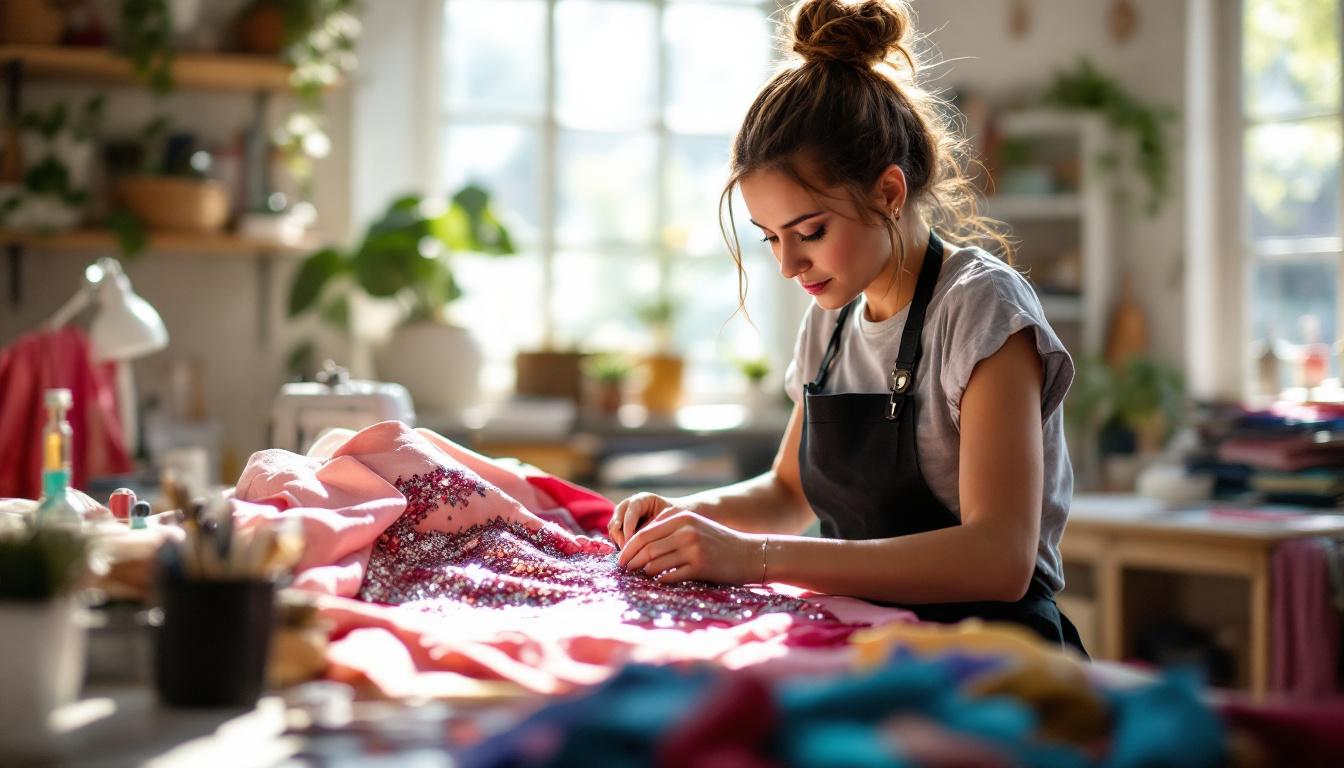
- There is a strong emphasis on hands-on workshops where students practice sewing, cutting, and assembling fabrics.
- The program typically includes projects that simulate real-world apparel design and manufacturing challenges.
- Some courses address quality control and textile testing to prepare students for technical roles in production environments.
- The second year often offers electives or more advanced topics allowing students to focus on areas like fashion merchandising or textile technology.
How to get in
Admission to the Associate Degree in Apparel and Textiles in the US generally requires a high school diploma or equivalent. The process is managed by community colleges or technical institutes offering the program.
- Applicants must submit their high school transcripts as proof of completion.
- Some schools may require placement tests in English or math to assess readiness.
- There is usually no strict selection process, making the program accessible to a wide range of students.
- Students with a genuine interest in fashion, textiles, or design and basic academic skills are encouraged to apply.
- Admissions offices may provide counseling to help applicants understand program expectations and career paths.
Day to day
A typical academic year for this degree includes classroom lessons, practical workshops, and project work. The schedule is structured to balance theory with hands-on experience.
- Students attend lectures on textile science and fashion theory alongside sewing labs.
- Workshops allow practice of pattern drafting, fabric cutting, and garment assembly.
- Many programs encourage or require internships to gain real-world exposure in apparel companies or retail settings.
- Projects often involve designing and creating garments individually or in teams.
- The workload may include assignments, exams, and portfolio development.
- Alternance (work-study) options depend on the institution but are generally less common for this degree.
Careers this degree leads to
Graduates with this Associate Degree can access various entry-level positions in the apparel and textile industries. The degree opens doors to creative, technical, and production-related jobs.
- Common roles include sewing technician, fabric analyst, and apparel production assistant.
- Jobs are found in clothing manufacturers, textile mills, fashion retailers, and design studios.
- The degree supports careers in quality control, garment fitting, and fashion merchandising support.
- Employment opportunities depend on local industry demand and individual skills.
- Insertion into the workforce is generally quick for motivated students with practical experience.






Careers after further study
These careers require a higher level of study than this degree.




Continuing your studies
After earning this Associate Degree, students may choose to continue their studies to deepen their expertise or broaden career options. Several pathways exist for further education.
- Many graduates pursue a bachelor's degree in fashion design or textile science to access higher-level positions.
- Some transfer credits toward a four-year degree at universities offering related programs.
- Others may specialize through certificate programs in areas like fashion merchandising or textile technology.
- Reorientation toward other creative or technical fields is also possible depending on interests.
Where to study this degree (46)


















Liste des 46 établissements
- San Diego Miramar CollegeSan Diego
- Hinds Community CollegeRaymond
- Reedley CollegeReedley
- FIDM-Fashion Institute of Design & MerchandisingLos Angeles
- Fashion Institute of TechnologyNew York
- Santa Monica CollegeSanta Monica
- El Centro CollegeDallas
- Orange Coast CollegeCosta Mesa
- Minneapolis CollegeMinneapolis
- El Camino CollegeTorrance
- College of the SequoiasVisalia
- Mt. San Antonio CollegeWalnut
- Fullerton CollegeFullerton
- Los Angeles Trade Technical CollegeLos Angeles
- Sierra CollegeRocklin
- Palomar CollegeSan Marcos
- Allan Hancock CollegeSanta Maria
- College of DuPageGlen Ellyn
- Academy of Art UniversitySan Francisco
- Honolulu Community CollegeHonolulu
- American River CollegeSacramento
- Long Beach City CollegeLong Beach
- Sacramento City CollegeSacramento
- Saddleback CollegeMission Viejo
- City College of San FranciscoSan Francisco
- Harper CollegePalatine
- Pasadena City CollegePasadena
- Fresno City CollegeFresno
- Santa Ana CollegeSanta Ana
- West Valley CollegeSaratoga
- University of Hawaii Maui CollegeKahului
- Cañada CollegeRedwood City
- Chaffey CollegeRancho Cucamonga
- San Diego Mesa CollegeSan Diego
- San Joaquin Delta CollegeStockton
- Wayne County Community College DistrictDetroit
- Antelope Valley CollegeLancaster
- Beverly Hills Design InstituteBeverly Hills
- Butte CollegeOroville
- Monterey Peninsula CollegeMonterey
- Ventura CollegeVentura
- Irvine Valley CollegeIrvine
- College of AlamedaAlameda
- Santa Rosa Junior CollegeSanta Rosa
- Cuesta CollegeSan Luis Obispo
- University of the Incarnate WordSan Antonio
Frequently asked questions
What prior education do I need to apply for this degree?
You need to have completed high school or an equivalent diploma. Some schools may require placement tests, but generally there are no strict admission barriers.
Is this degree more theoretical or practical?
The program balances both, with practical workshops in sewing and garment construction alongside theoretical courses on textiles and fashion design.
Can I work while studying this degree?
While some internships or practical experiences are part of the program, formal work-study options are usually not common for this degree.
What kind of jobs can I get after graduation?
Graduates can work as sewing technicians, fabric analysts, or production assistants in clothing manufacturing, retail, or design companies.
Is it possible to continue studies after this degree?
Yes, many students continue with bachelor's degrees in fashion design or textile science, or pursue certificates to specialize further.
Are there opportunities to specialize within the program?
Some programs offer electives or advanced courses in areas like fashion merchandising or textile technology during the second year.
How competitive is admission to this program?
Admission is generally not very selective, making it accessible to students with an interest in apparel and textiles.
What skills will I develop during the program?
You will learn fabric selection, sewing and pattern making, textile testing, garment production processes, and basic fashion design principles.