Associate Degree in Agricultural and Domestic Animal Services
This two-year Associate Degree in Agricultural and Domestic Animal Services trains students in animal care and farm management, preparing them for entry-level roles in agriculture and animal services.
About
This Associate Degree in Agricultural and Domestic Animal Services is a practical program designed for students interested in working with farm and domestic animals. It is aimed at those who want to develop skills in animal care, breeding, and agricultural support. The diploma prepares students for technical roles in agriculture, livestock management, and animal services, providing a foundation for working in farms, animal shelters, or agricultural businesses.
- The program lasts two years and leads to an EQF level 5 qualification.
- It is suitable for students who have completed high school or equivalent education.
- Graduates can work as animal care technicians, farm assistants, or in related agricultural roles.
- The degree offers practical knowledge about animal health, nutrition, and farm operations.
- This diploma can also serve as a stepping stone for further studies in agriculture or veterinary fields.
What you study
The curriculum covers a mix of theoretical and practical subjects focused on animal and agricultural sciences. Students build their knowledge progressively over the two years, starting with foundational topics and moving towards more specialized skills.
- Courses include animal anatomy and physiology, nutrition, and animal health management.
- Students learn about farm operations and livestock breeding techniques.
- Practical work is emphasized, with regular hands-on training in animal care and farm settings.
- The second year often involves more advanced topics and applied projects related to agricultural services.
- Students may engage in field visits and laboratory work to reinforce learning.
How to get in
Admission to this Associate Degree typically requires a high school diploma or equivalent, reflecting the program’s position as a short-cycle tertiary education level. The application process varies by institution but generally includes submitting academic records and possibly an interview.
- Applicants should have completed high school or a recognized equivalent.
- Some colleges may require basic knowledge in biology or agriculture.
- The admission process is usually non-selective, focusing on motivation and academic background.
- Students interested in animal care and agriculture are encouraged to apply.
- Admissions are handled by individual community colleges or technical institutes across the US.
Day to day
A typical academic year combines classroom learning, practical labs, and fieldwork. Students experience a mix of lectures and hands-on activities, with opportunities to apply skills in real-world settings.
- The program runs on a semester system, with regular classes and laboratory sessions.
- Students participate in animal care practicums and may complete internships on farms or animal facilities.
- Projects often involve managing small herds or assisting with farm operations.
- Some institutions may offer part-time or evening courses to accommodate working students.
- While alternance (work-study) is not commonly structured, students can seek internships to gain experience.
Careers this degree leads to
Graduates typically find work in agricultural businesses, animal care centers, or farms. The degree prepares students for technical roles that support animal health and farm productivity.
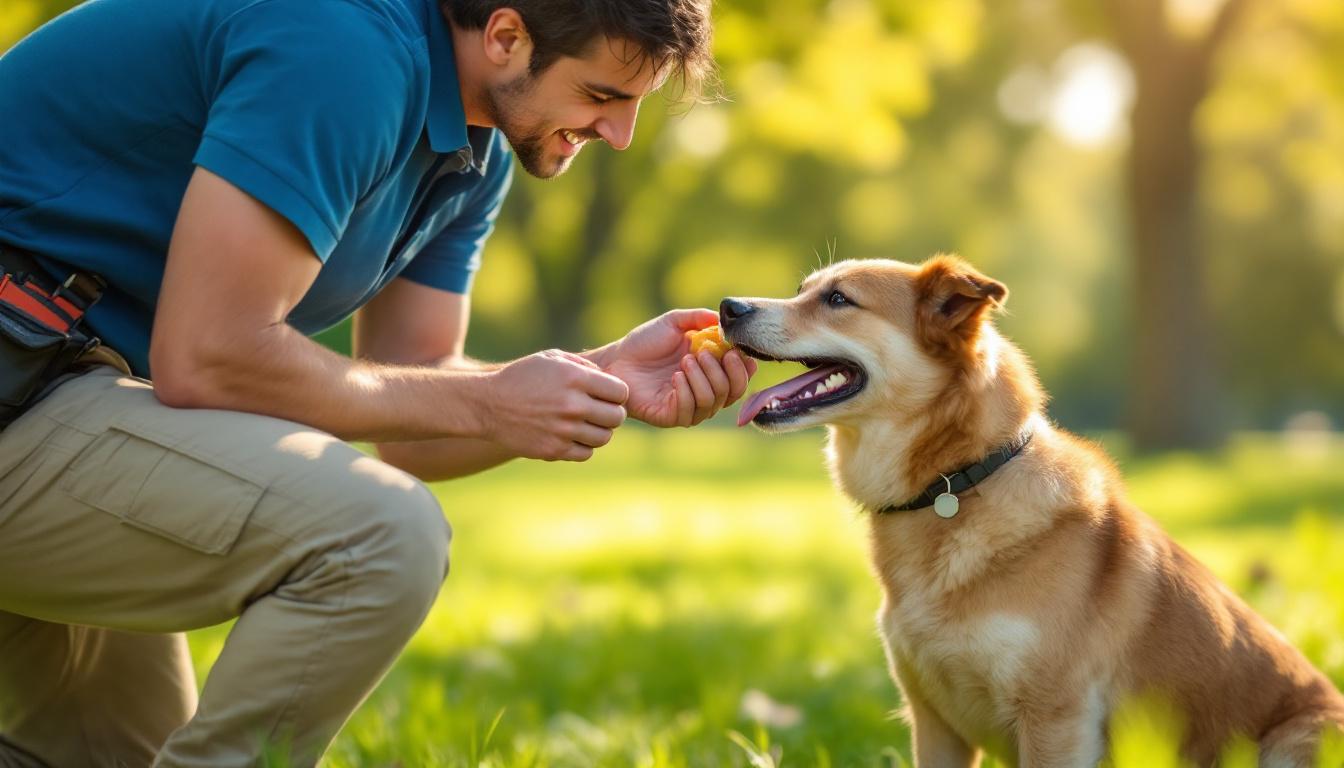
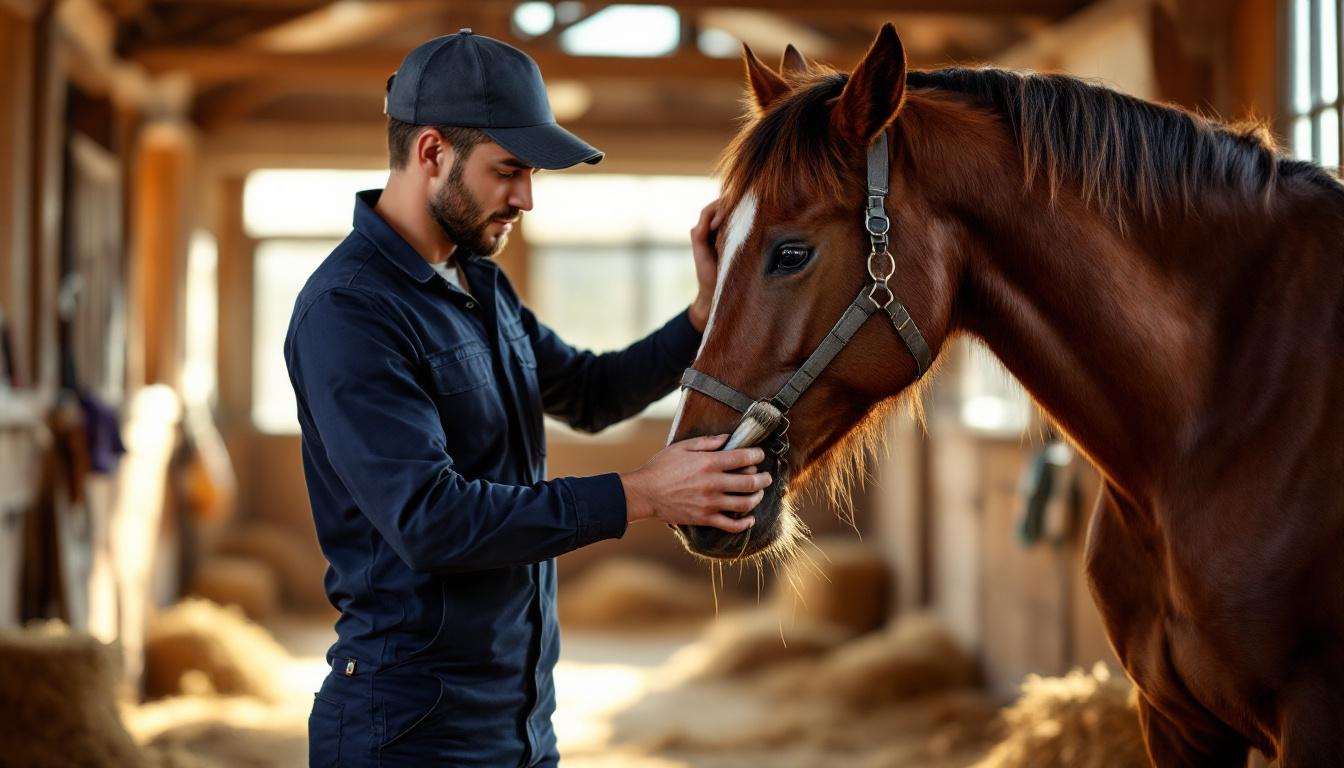
- Common jobs include animal care technician, farm assistant, and livestock handler.
- Employment is often found in agriculture, animal shelters, and veterinary support services.
- The job market values practical skills and knowledge of animal welfare.
- Insertion into the workforce is generally quick for motivated graduates.
- Some graduates may work in related fields such as agricultural sales or equipment operation.



Careers after further study
These careers require a higher level of study than this degree.

Continuing your studies
After completing the Associate Degree, students can continue their studies to deepen their expertise or shift to related areas. Many choose to pursue bachelor's degrees or specialized certifications.
- Options include bachelor's degrees in agriculture, animal science, or veterinary technology.
- Some may enter technical diploma programs for veterinary assistants or farm management.
- The degree offers a foundation for reorientation into broader agricultural or environmental studies.
- Transfer agreements between community colleges and universities facilitate further education.
Where to study this degree (81)










Liste des 81 établissements
- Redlands Community CollegeEl Reno
- Sisseton Wahpeton CollegeSisseton
- Rochester Community and Technical CollegeRochester
- Webber International UniversityBabson Park
- Scottsdale Community CollegeScottsdale
- Houghton UniversityHoughton
- Bethany College - West VirginiaBethany
- Columbia Central University-CaguasCaguas
- PPG Technical CollegeCaguas
- Liceo de Arte y TecnologiaSan Juan
- Colorado State University-Fort CollinsFort Collins
- Unity CollegeNew Gloucester
- SUNY CobleskillCobleskill
- College of Central FloridaOcala
- University of FindlayFindlay
- Universal Technology College of Puerto RicoAguadilla
- Midway UniversityMidway
- Alamance Community CollegeGraham
- Asbury UniversityWilmore
- Merryfield AcademyOakland Park
- Post UniversityWaterbury
- Centenary College of New JerseyHackettstown
- North Shore Community CollegeDanvers
- Lamar Community CollegeLamar
- Bluegrass Community and Technical CollegeLexington
- SUNY MorrisvilleMorrisville
- Sheridan CollegeSheridan
- University of Montana WesternDillon
- St. Andrews UniversityLaurinburg
- Highland Community College - IllinoisFreeport
- West Texas A&M UniversityCanyon
- William Woods UniversityFulton
- Black Hawk CollegeMoline
- Yavapai CollegePrescott
- Central Wyoming CollegeRiverton
- Hocking CollegeNelsonville
- Northeastern Junior CollegeSterling
- Johnson & Wales University-ProvidenceProvidence
- Rocky Mountain CollegeBillings
- North Dakota State UniversityFargo
- Savannah College of Art and DesignSavannah
- Laramie County Community CollegeCheyenne
- Otterbein UniversityWesterville
- Wilson CollegeChambersburg
- Bergin University of Canine StudiesPenngrove
- Wilmington CollegeWilmington
- Rowan College at Gloucester CountySewell
- Connors State CollegeWarner
- Texas Tech UniversityLubbock
- Volunteer State Community CollegeGallatin
- Stephens CollegeColumbia
- Northwest CollegePowell
- East Texas A&M UniversityCommerce
- Delaware Valley CollegeDoylestown
- Saint Francis UniversityLoretto
- York County Community CollegeWells
- Kirkwood Community CollegeCedar Rapids
- Martin Community CollegeWilliamston
- Central Arizona CollegeCoolidge
- Emory and Henry CollegeEmory
- Nueta Hidatsa Sahnish CollegeNew Town
- Dawson Community CollegeGlendive
- Saint Mary-of-the-Woods CollegeSaint Mary of the Woods
- College of Southern IdahoTwin Falls
- Mount Wachusett Community CollegeGardner
- Miles Community CollegeMiles City
- Averett UniversityDanville
- Cochise CollegeSierra Vista
- Ohio University LancasterAthens
- Montgomery Community CollegeTroy
- Western Nebraska Community CollegeScottsbluff
- Ohio University SouthernIronton
- Colorado Northwestern Community CollegeRangely
- Mesalands Community CollegeTucumcari
- Vermont Technical CollegeRandolph
- Minnesota State Community and Technical CollegeFergus Falls
- Lake Erie CollegePainesville
- Odessa CollegeOdessa
- Treasure Valley Community CollegeOntario
- Eastern New Mexico University-Roswell CampusRoswell
- Hudson Valley Community CollegeTroy
Frequently asked questions
What is the duration of this Associate Degree?
The program typically lasts two years, combining classroom and practical training.
Do I need prior experience with animals to apply?
No prior experience is required, but an interest in animal care and agriculture is important.
Can I work while studying this degree?
Some programs offer part-time schedules, but work-study arrangements are not common.
What kind of practical work will I do?
Students engage in hands-on animal care, farm operations, and sometimes internships in agricultural settings.
Is this degree recognized across the United States?
Yes, it is offered by many community colleges and technical institutes and is recognized as a short-cycle tertiary qualification.
Can I continue my studies after this degree?
Yes, many graduates pursue bachelor's degrees or specialized diplomas related to agriculture or animal sciences.
What jobs can I get with this degree?
Graduates often work as animal care technicians, farm assistants, or in other support roles in agriculture and animal services.
Is the admission process competitive?
Admission is generally not highly selective and focuses on your academic background and interest in the field.
